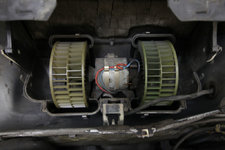

There is already an awesome write up by user ‘makemann’ on how to do this job on a pre-facelift car, but I thought I would attempt to chip in by sharing my experiences on a 1994+ w124, which has a slightly different regulator installation. Note: I did not actually end up replacing the regulator or motor in the process of writing this tutorial. I was on a troubleshooting quest that ended in finding that the 30A strip fuse was micro cracked and failing  Hopefully the photos still help show users what they are in for if they attempt to complete this job.
For starters, I’ll throw in the FSM procedures that I utilized as a guide:
83-600: Description of function of the automatic climate control
83-040: Grill and air inlet removal and installation
82-680: Removing and installation of wiper motor
83-556: Removal and installation of blower motor
I’d highly recommend reading the 83-600 ‘description of function’ document. Lots of great goodies in there!
On with the show.
Step 1:
Begin by pulling the car into a safe location (preferably out of traffic), and putting the hood into service position.
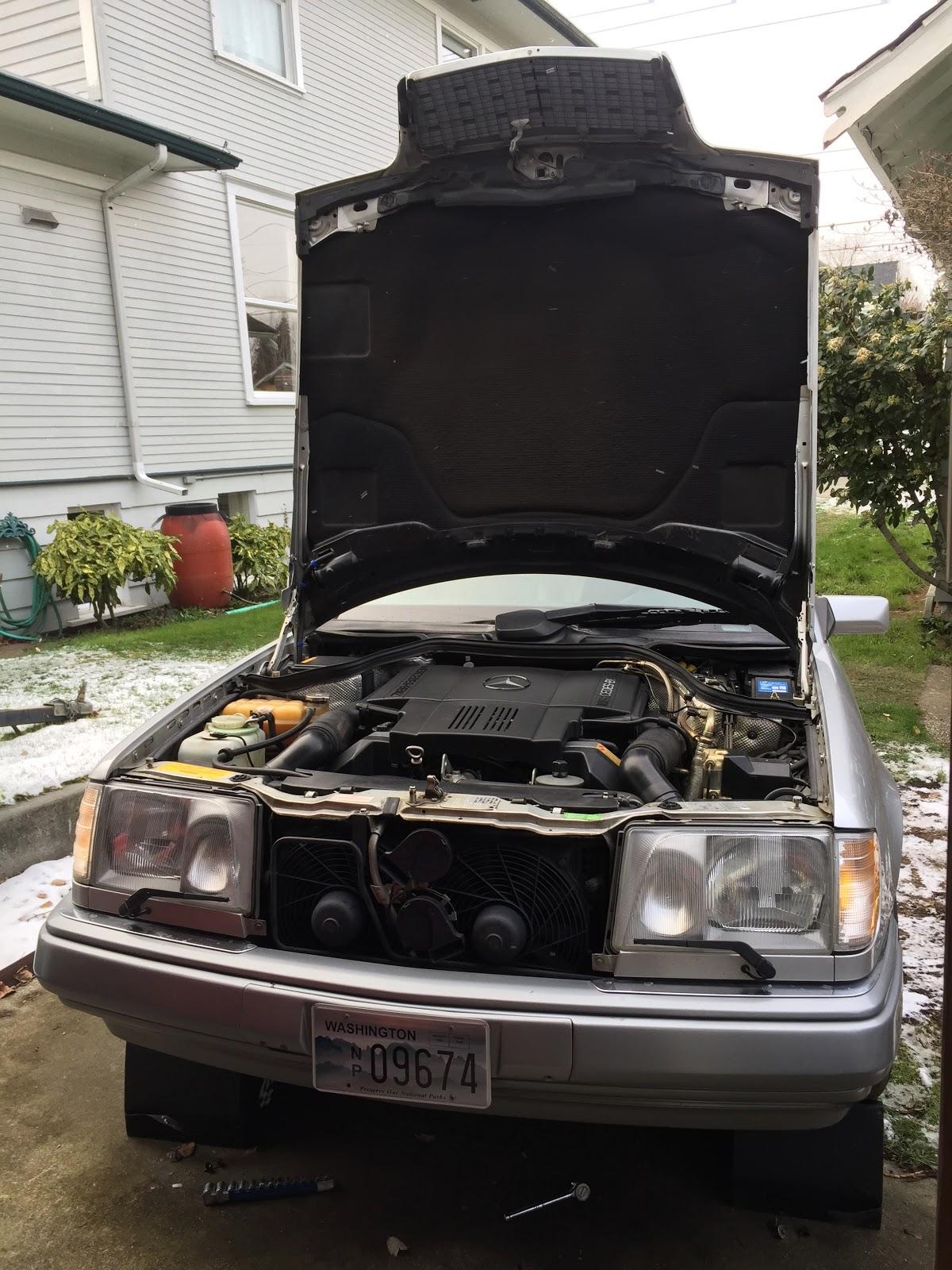
My car is on ramps in the photo, but this is obviously not required. In fact, it would probably make this job a lot more difficult, so I would recommend against that.
Step 2:
Peel the lower windshield seal out of the windshield channel on both sides of the mono wiper:
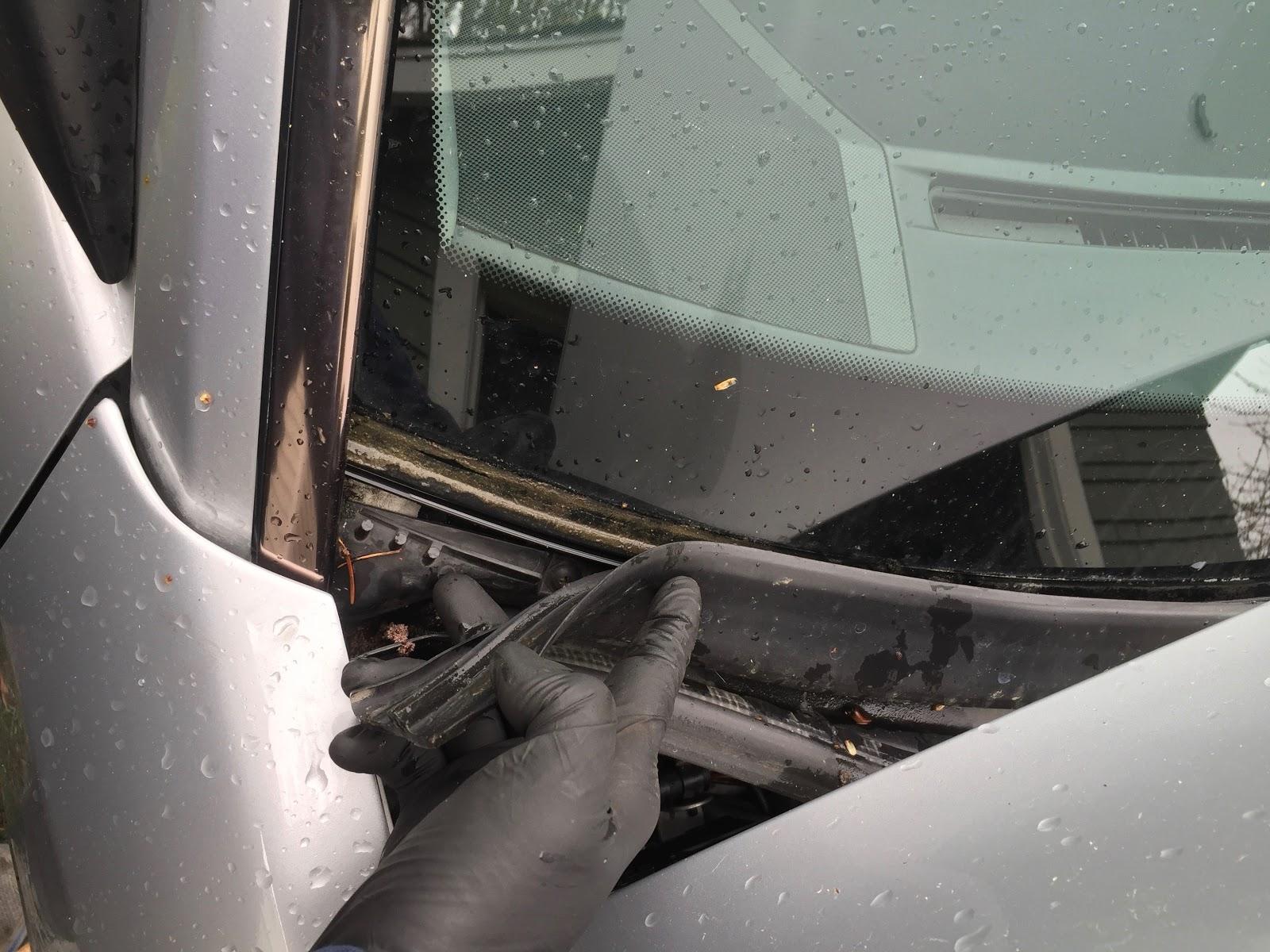 Now, get grossed out by how nasty it is under there! Note: The windshield gasket will be trapped under the mono wiper assembly, so you will not be able to remove it from the car. Gently bent and tuck both ends up and out of the way underneath and up and behind the hood:
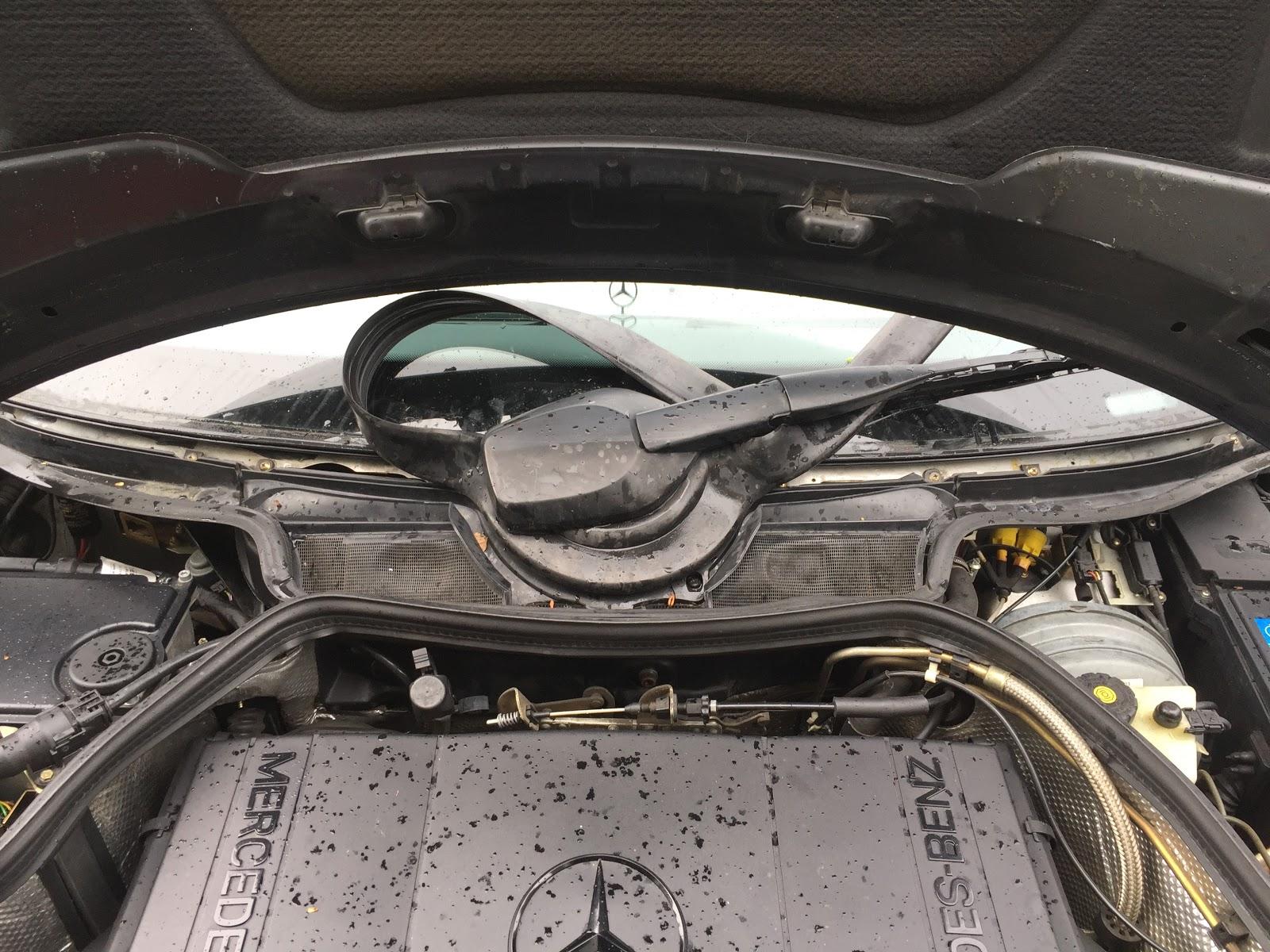
Elegant! Am I right?
Step 3:
Now you can remove the remaining under hood gaskets from the false firewalls:
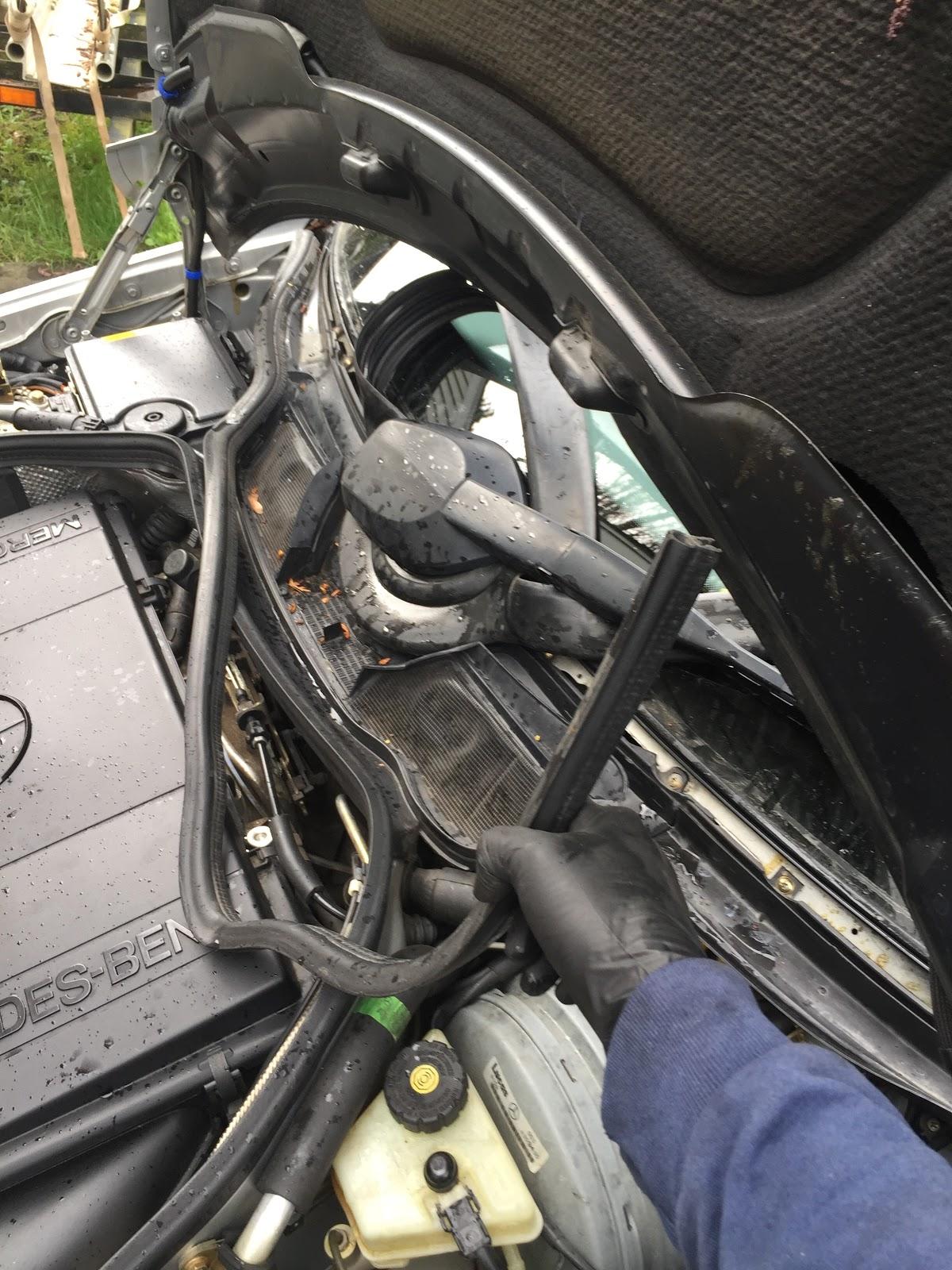 Which should leave you looking something like this:

Look ma! No gaskets!
Step 4:
You now can begin to remove the outboard rain trays from the bottom of the windshield. First remove the two plastic clips from the interior edges of the outboard trays. I have used a prior photo here to show the locations, which are circled in red.
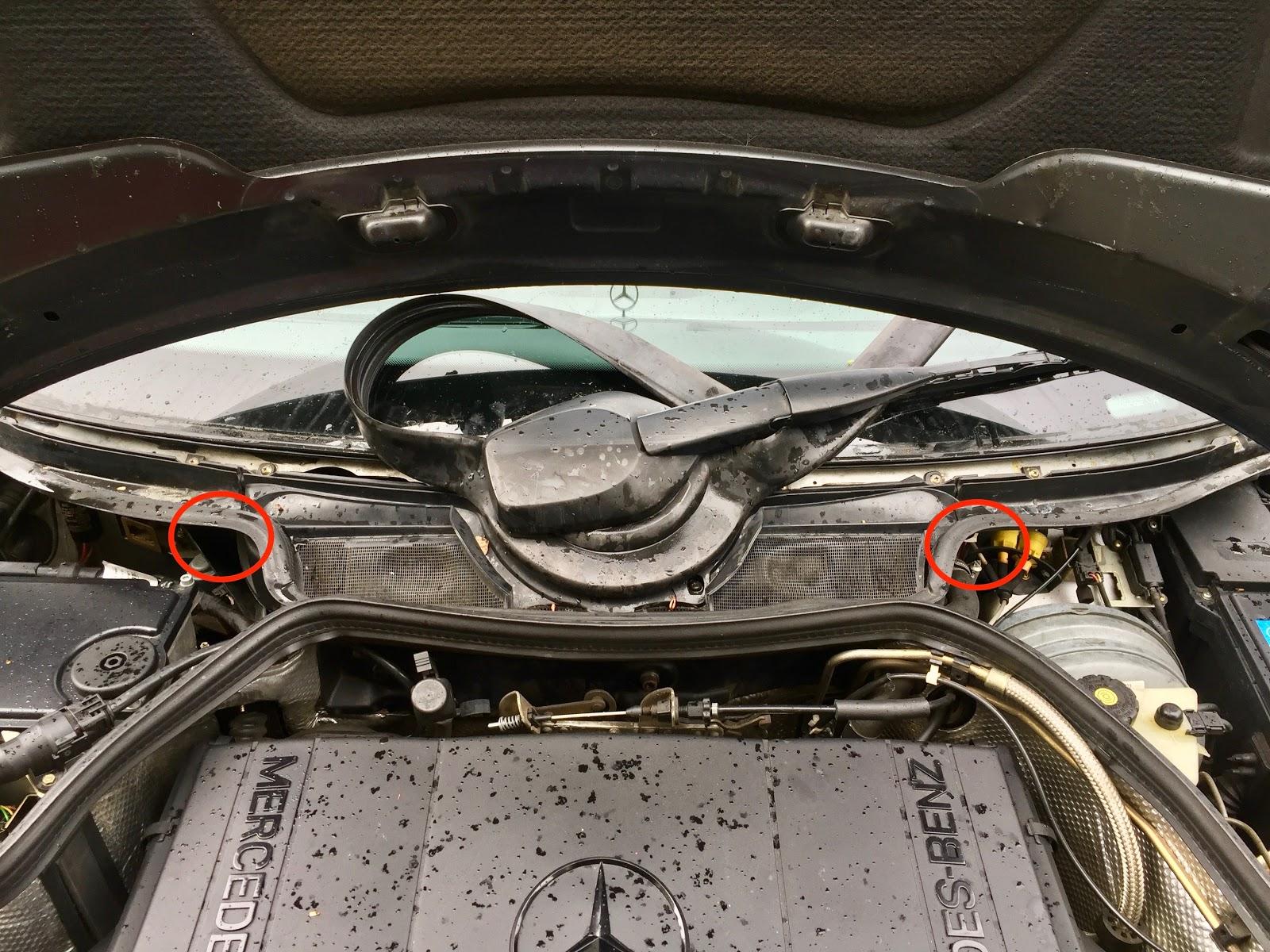
The clips themselves are just little plastic forks, which are removed by simply pulling on the tab towards the front of the car. They should just pull right out:

Do not push down or twist or anything else, just pull forward on the tab!
Now remove the screws from the windshield side of the outboard trays. There are two screws per outboard panel. The innermost screws are accessible from under the hood, while the outboard screws are best accessed from the windshield side. Again re-using my previous image:
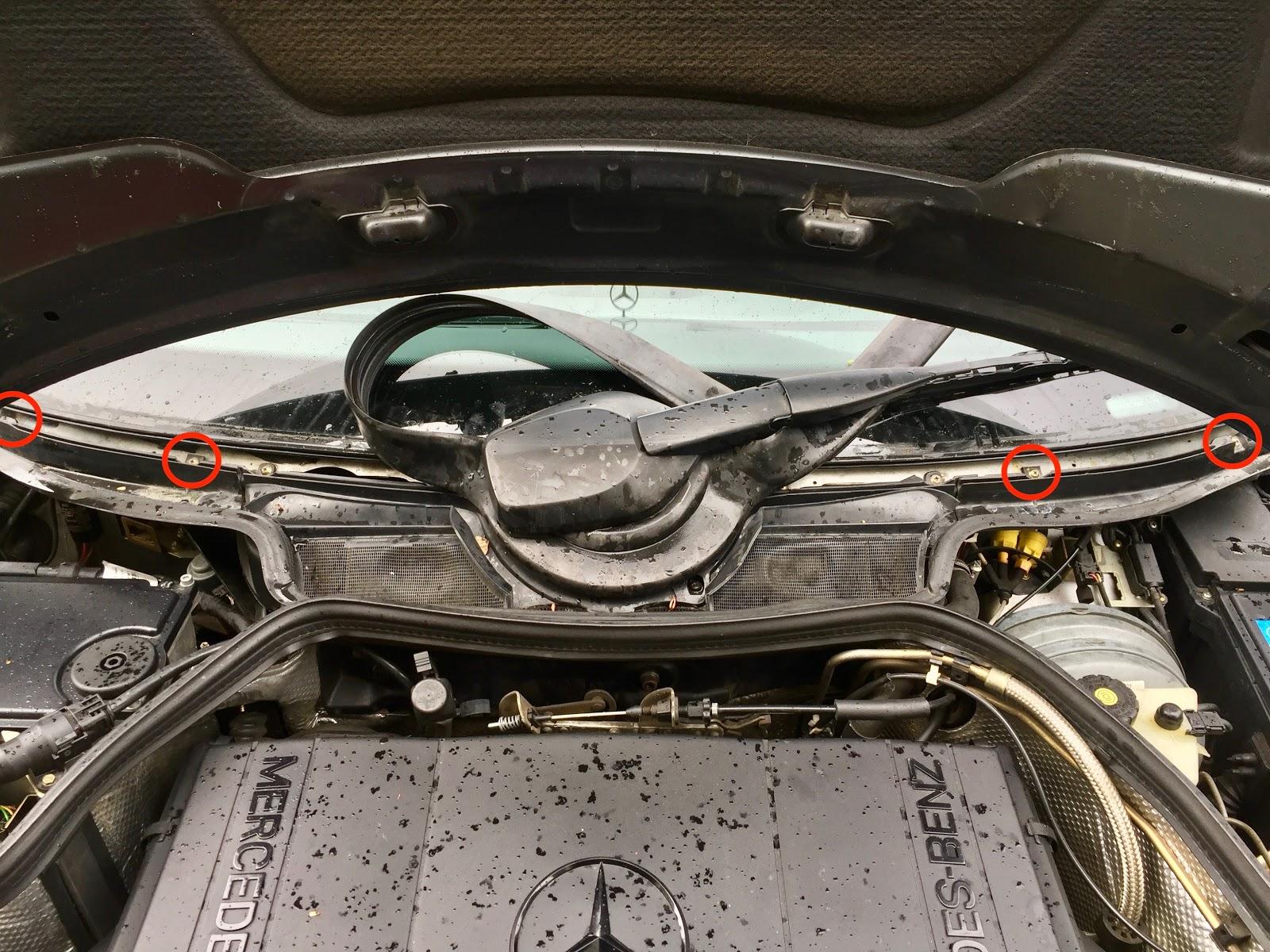
Standard phillips should do ya.
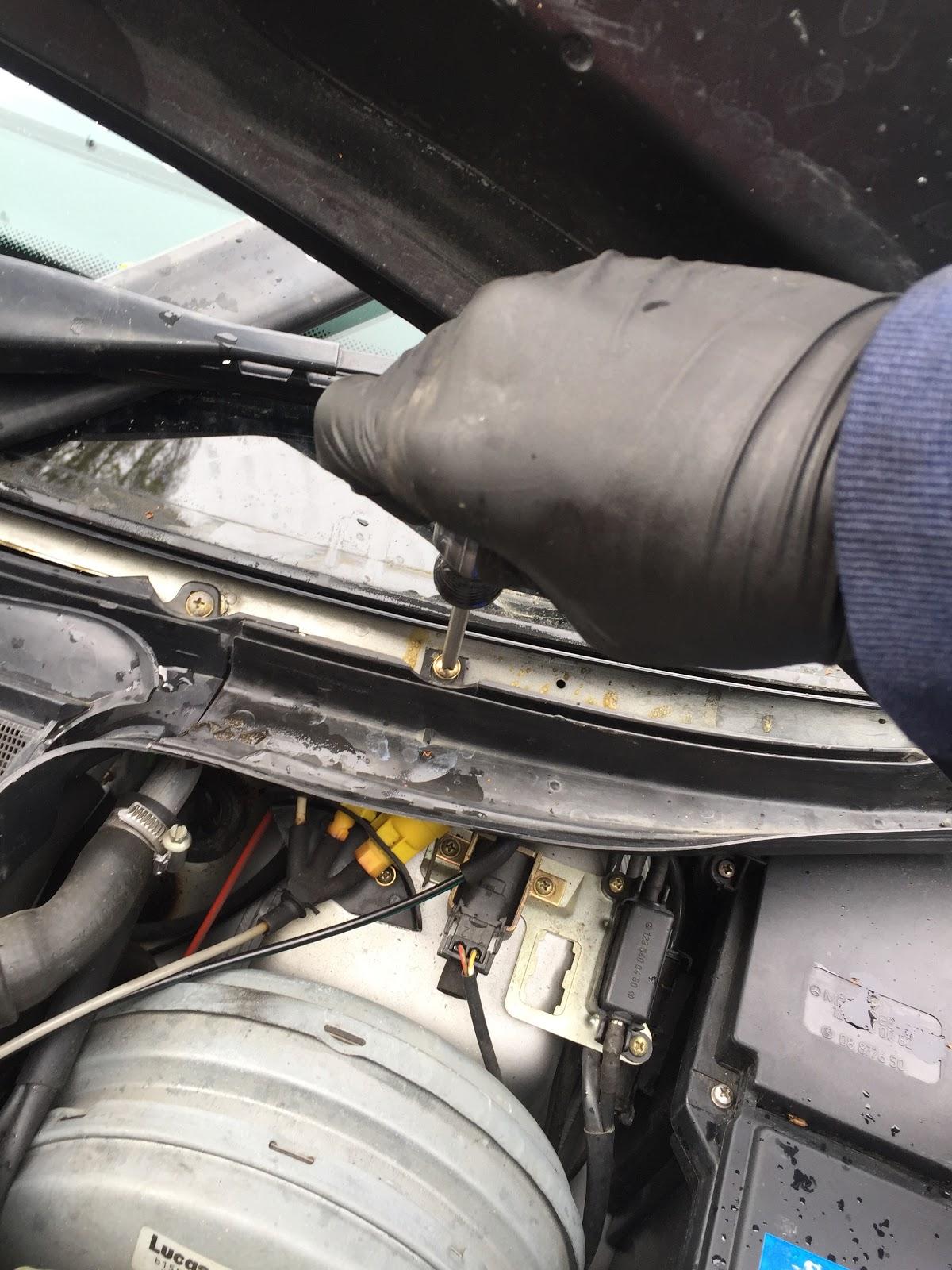
The outboard rain trays should just lift out at this point. Take a minute to check the drain passageways for blockage!
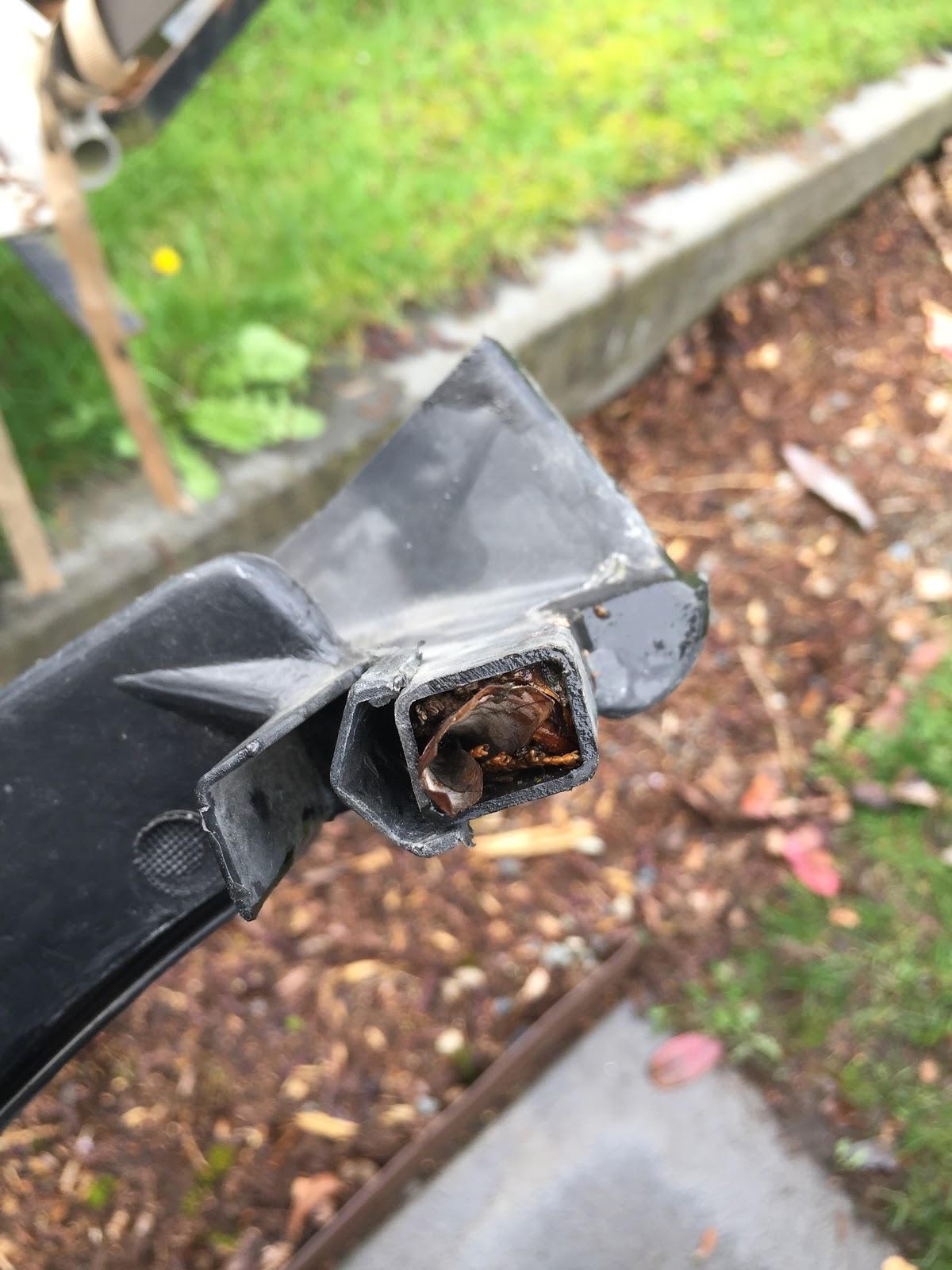
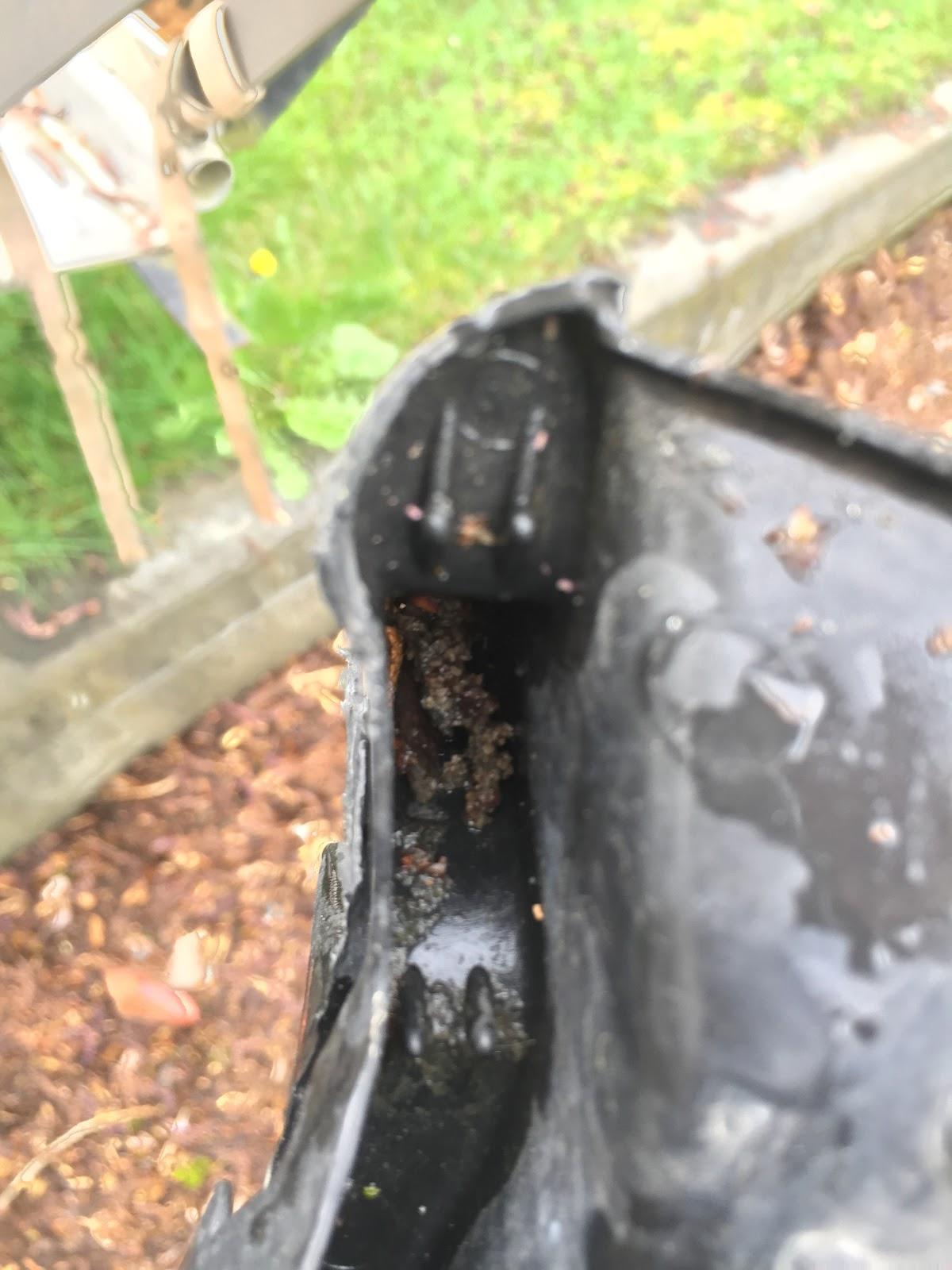
Pretty gross! Also take the time now to ensure the drain tubes under the hood are clear of obstructions. I had to vacuum mine out, as they were definitely clogged. The drain tubes are on the outboard edges of each side, and are what the rain channels dump into. They should be pretty easy to find.
Step 5:
Now we can remove the front (or rear depending on your perspective) portion of the fals firewall that sits in front of the airbox.

I’ll include some photos here, but just to be clear, I don’t believe the two fasteners that are installed in my car are the factory option. Based on prior research, these allen head bolts should be ‘star’ bolts that are easily tightened/loosened by hand. Regardless of type… remove the two bolts.

You might think you can just pop this panel out now, but you can’t. There's a sneaky plastic nut off to the far drivers side of the panel, hiding behind various tubing and vacuum lines. 10mm socket to remove.
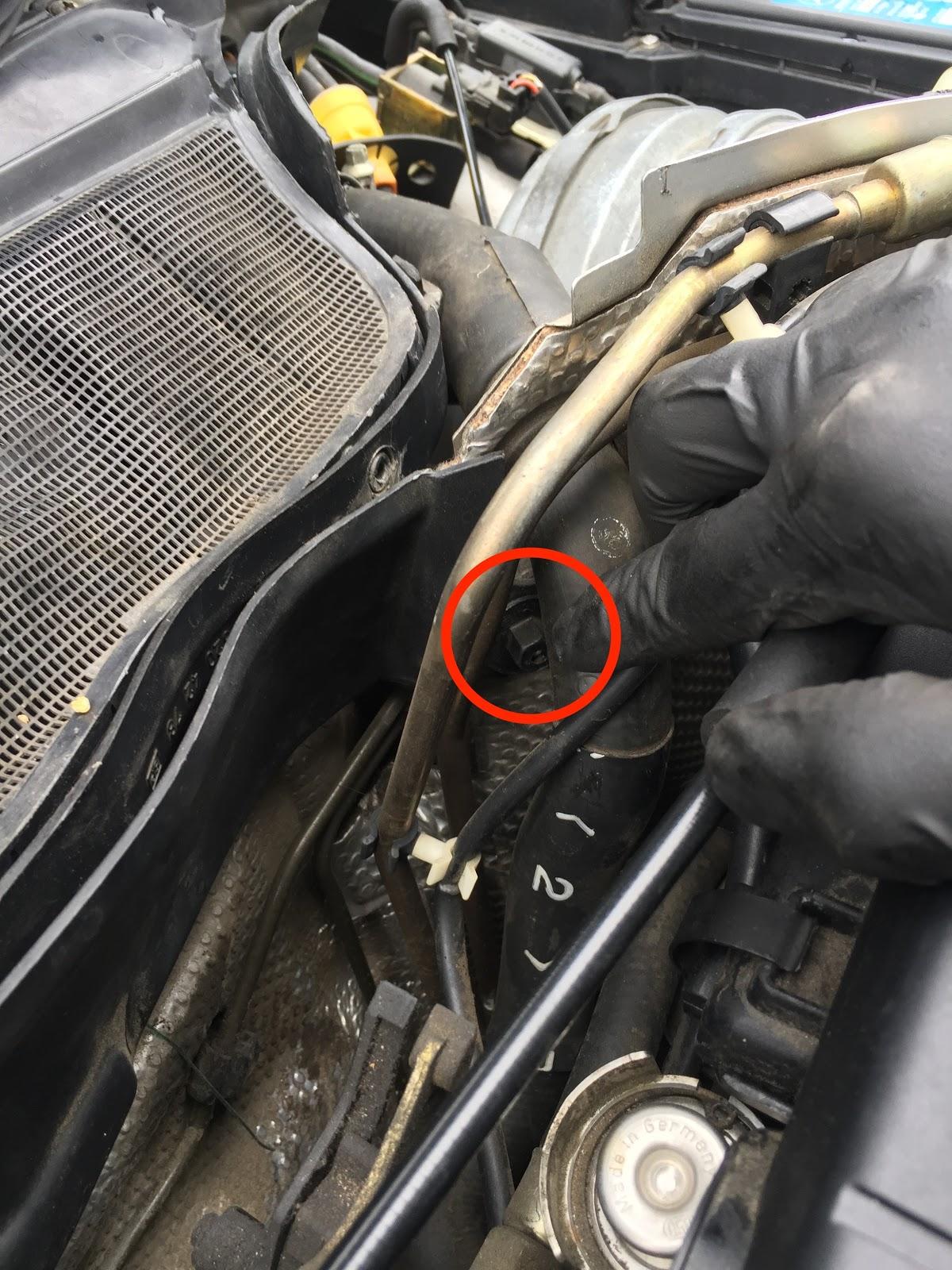
With this nut removed, you can lift this panel out, remove the ETA loom that snakes through the panel, and remove the panel. With this panel removed, we have full access to the airbox lid.
Step 6:
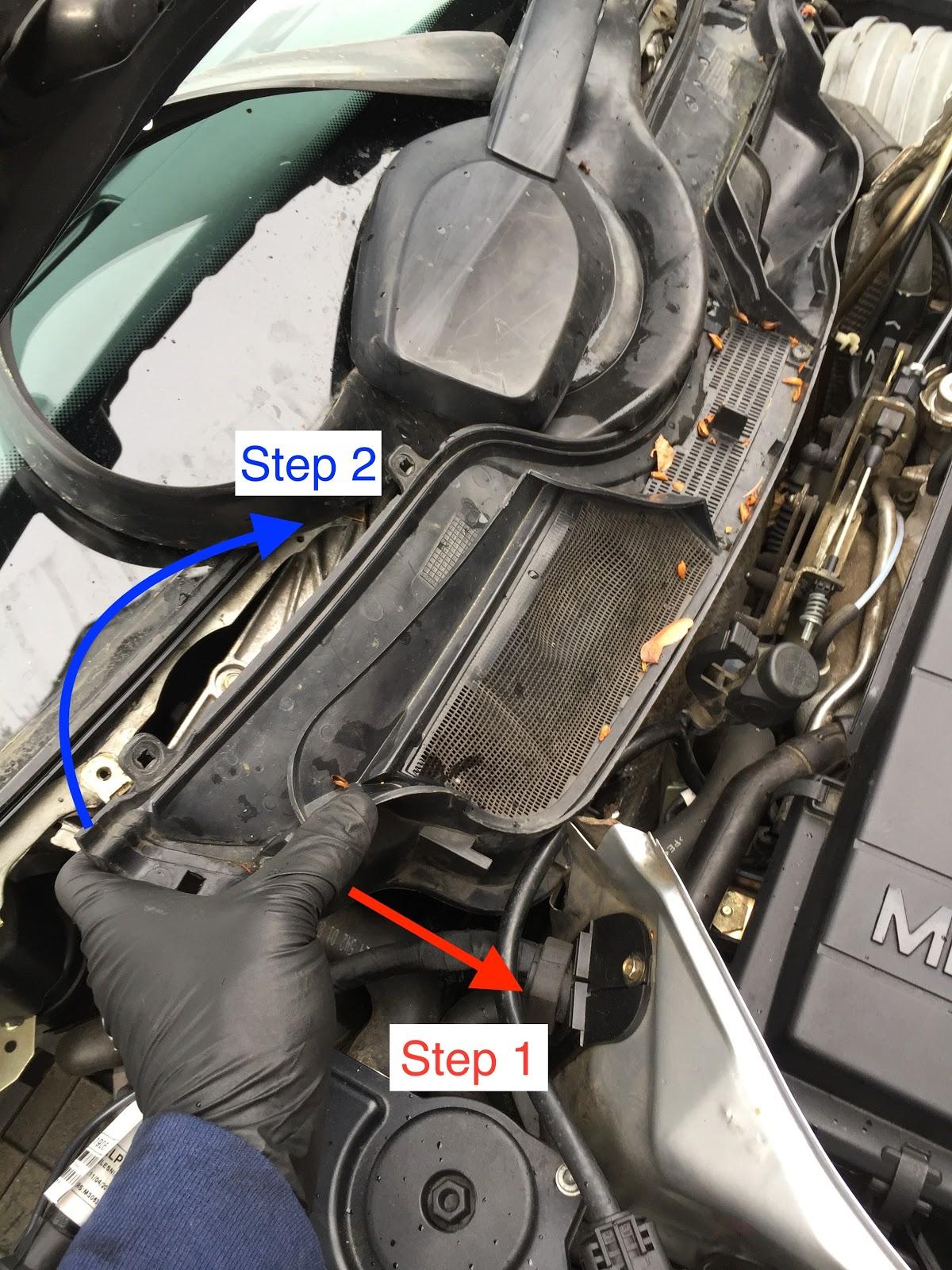
There are 6 phillips head screws left to remove on the airbox lid. I’ll attempt to illustrate below:
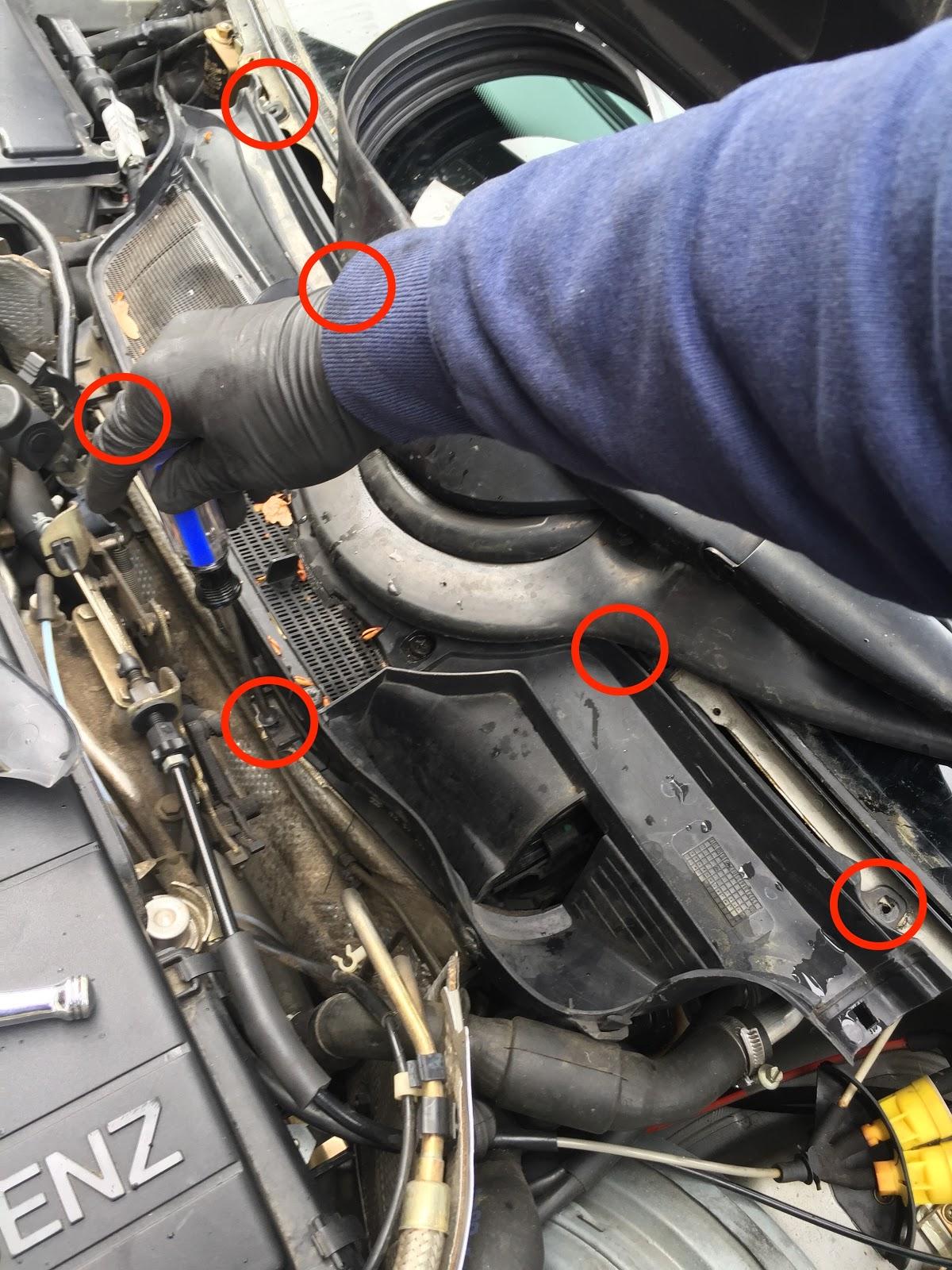
As you can see from my crude illustration, two of these screws are hiding underneath the windshield seal at the base of the mono-wiper. Just lift up on the seal gently in these areas and you will see them.
Once all 6 screws are removed, you should be able to lift the airbox lid out. There is a bit of a trick to this, as the lid is a bit jammed in there under the monowiper and linkage and behind the edges of the false firewall. I found that the best tactic is to shift the lid as far forward as possible, and then rotate the back end up. This should give you enough room to maneuver its out of the way of the monowiper without getting jammed into the false firewall.
Tah-dah! Check out those awesome facelift dust filters!!
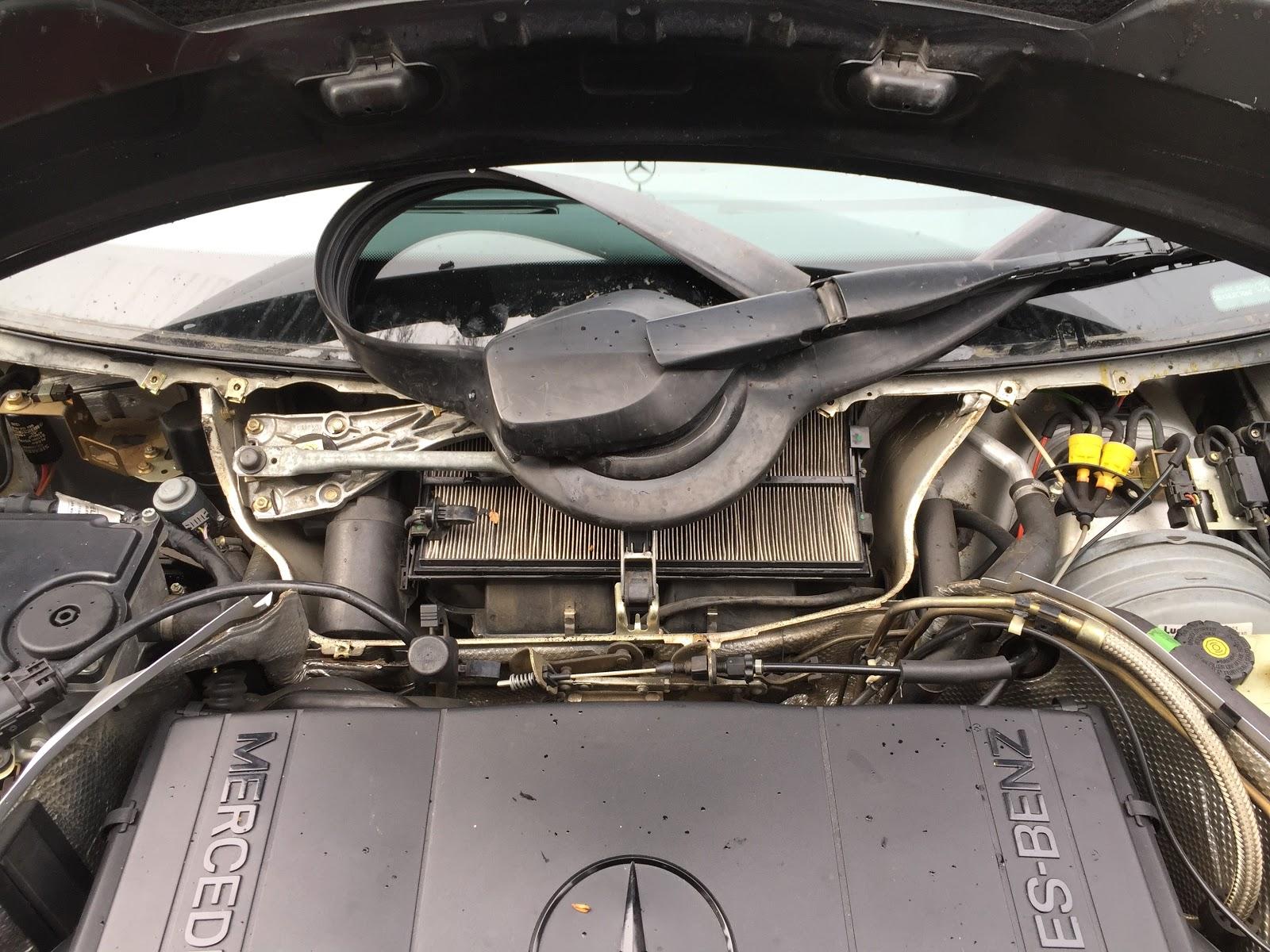
Step 7:
Let’s start removing the wiper arm mechanism. Lift up on the small cover at the end of the arm. It has clips on the side you can just pry out to pop it up.
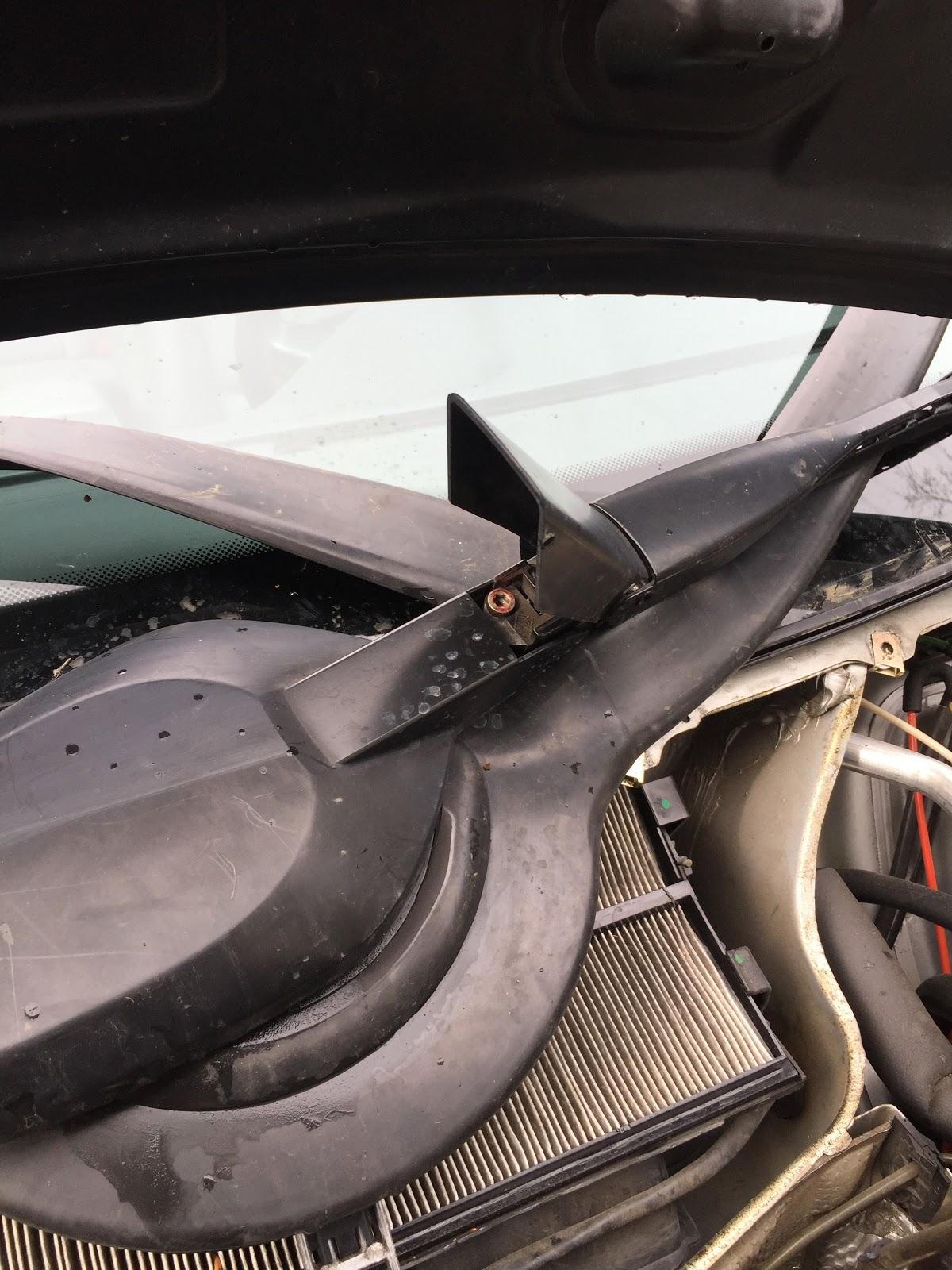
Remove the nut, its a 5mm allen.
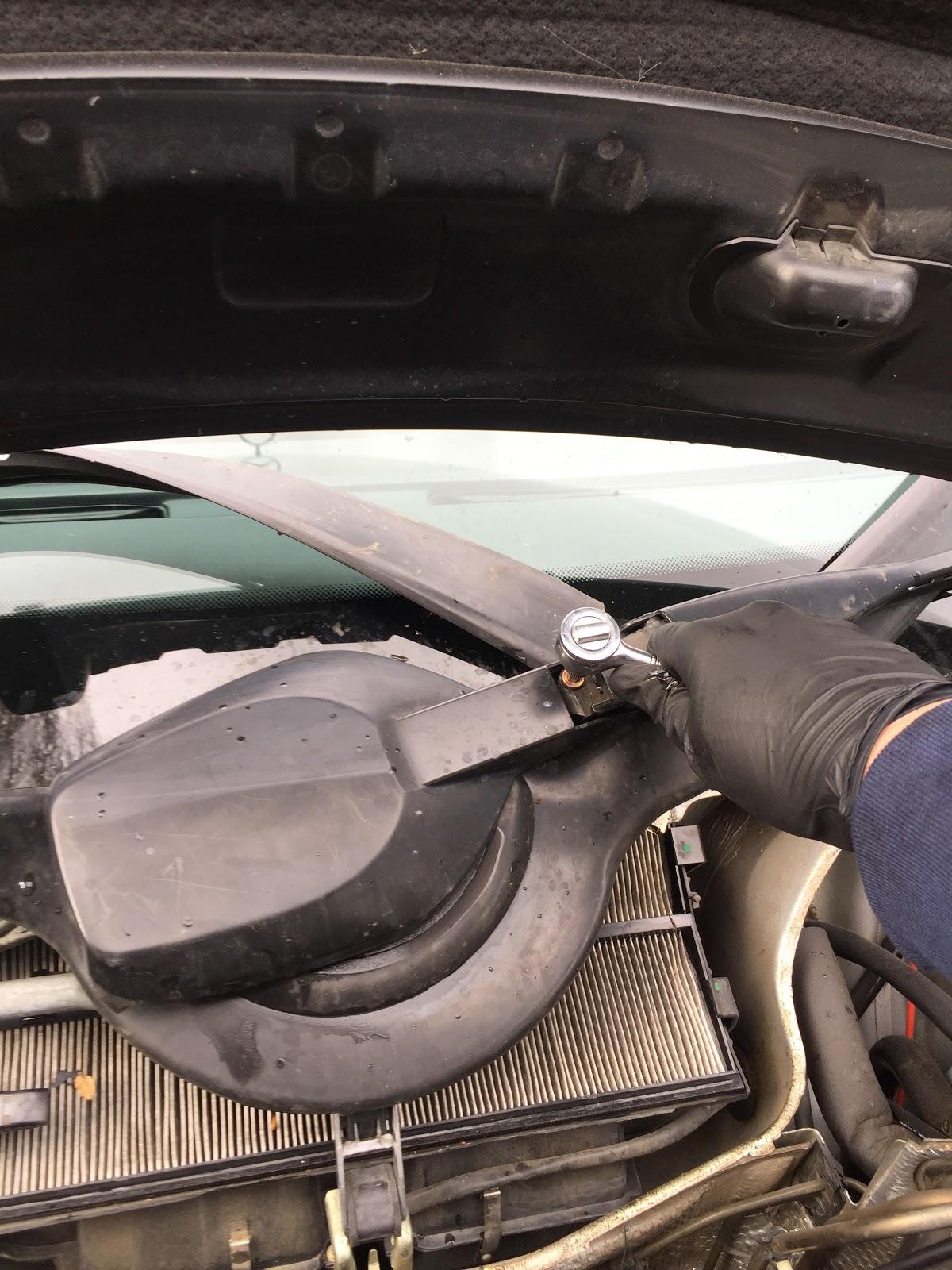
This is where i diverge from the FSM a bit. The FSM instructs you to remove the arm. I couldn’t figure out how to do this, so I left the wiper arm on the mono wiper mechanism. Turns out I had missed a step. For the late model mono wiper with the plastic covers, you first need to turn the wiper on and stop it at its ‘max deflection’ point. Then you should supposedly be able to remove the arm with this bolt removed.
I was able to wrangle the whole thing out with the arm still attached, but it definitely would have been easier to manage without it!
There are four nuts that hold the mechanism in. Re-using my old photo, you will see that two are hiding under the window gasket and sill again!
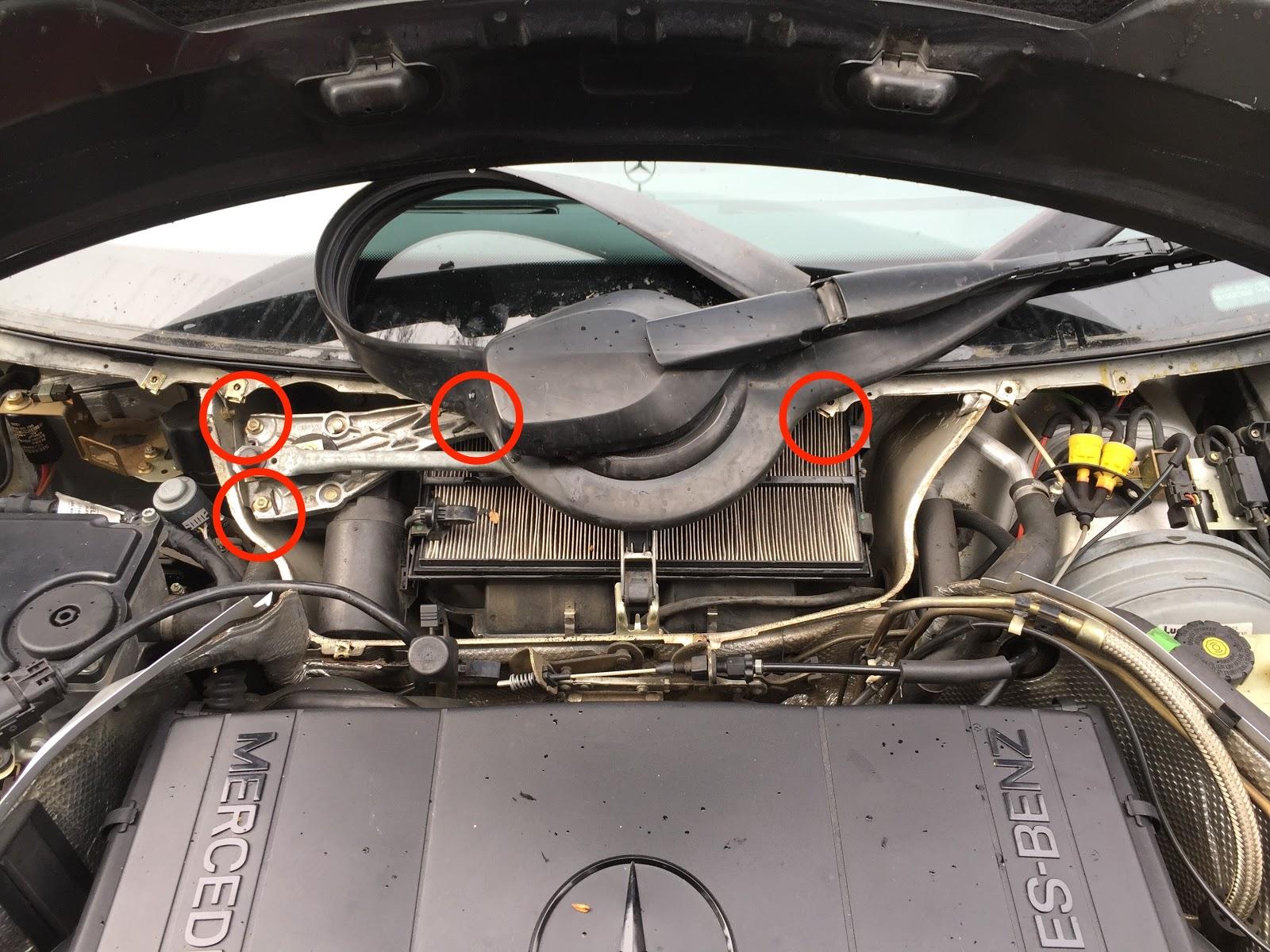
These are 10mm nuts.
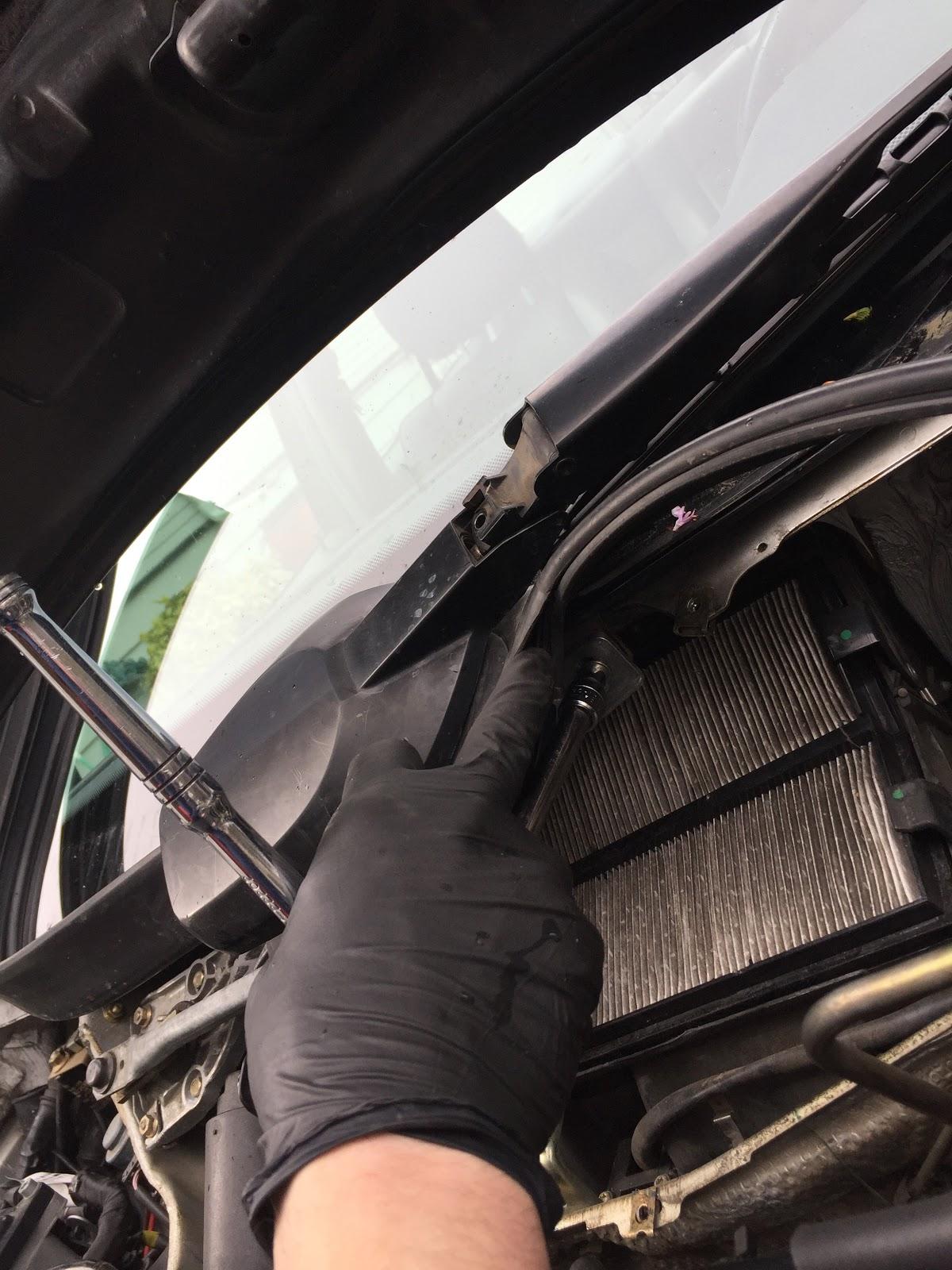
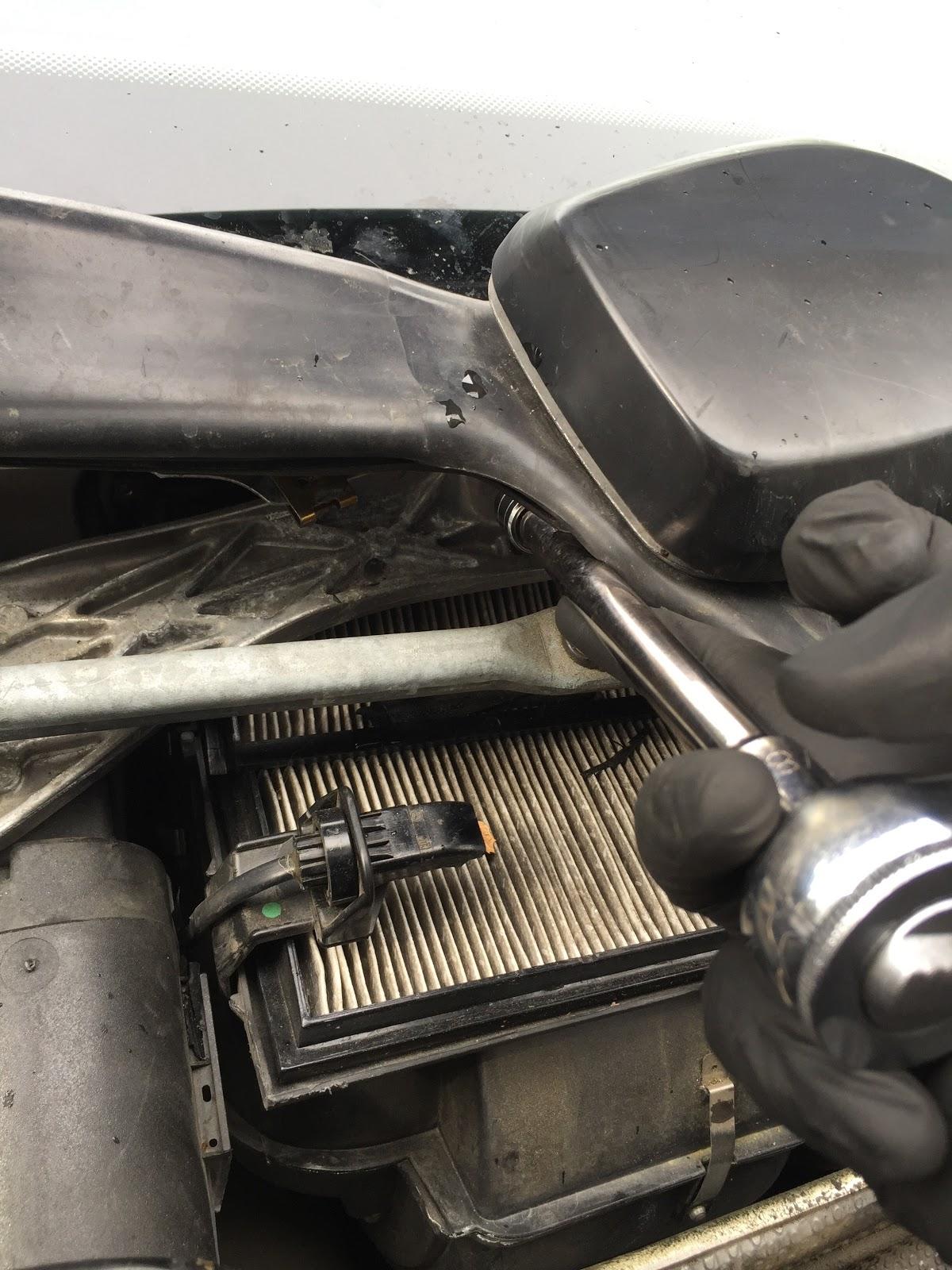
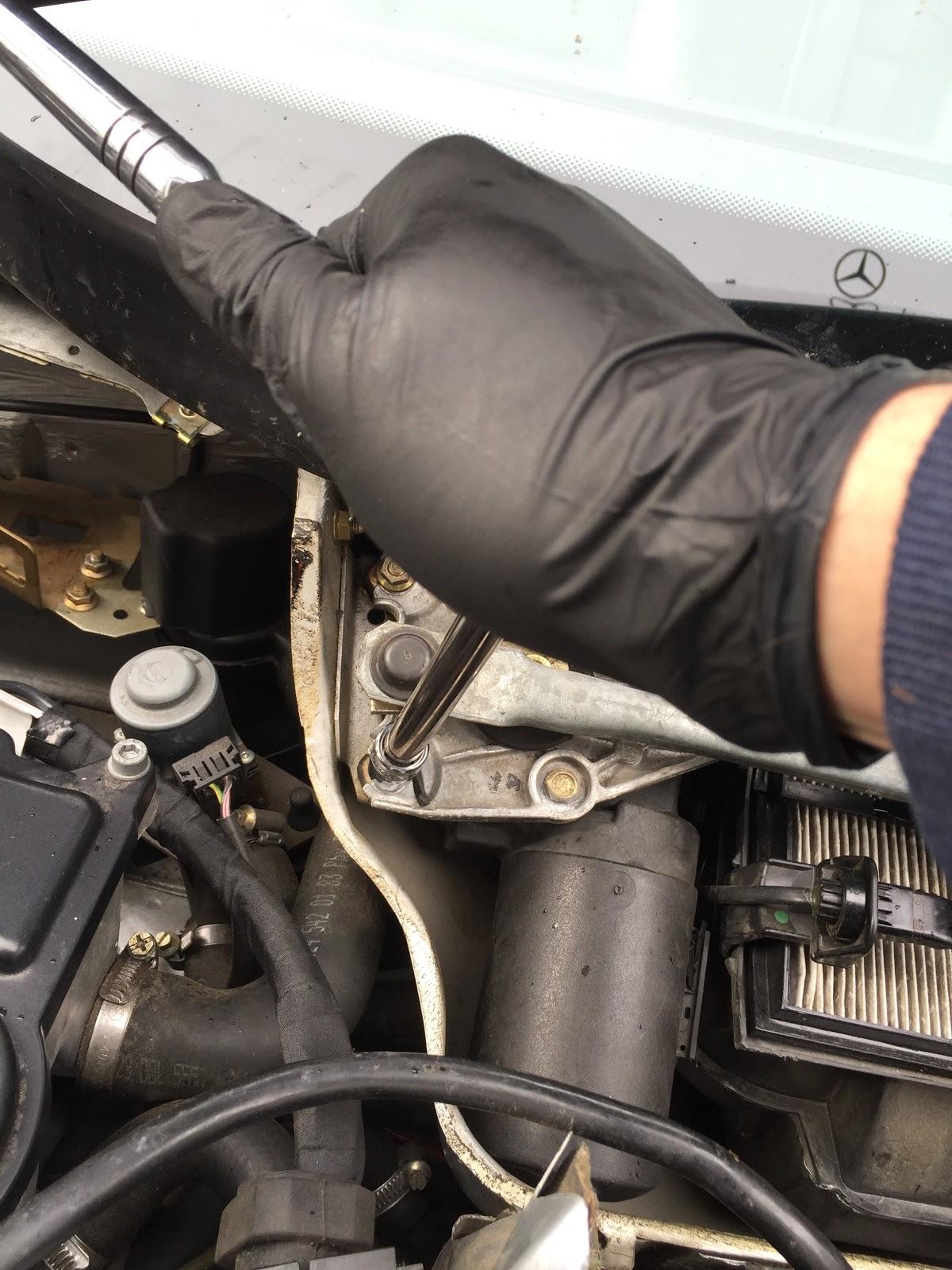
Slide the whole mechanism slightly toward the drivers side, and you should be able to pull it out. Gently pry off the motors electrical connection which is underneath the mechanism on the passenger side of the vehicle. There aren’t any securing clips on the connection, just your standard Mercedes pressure fit.
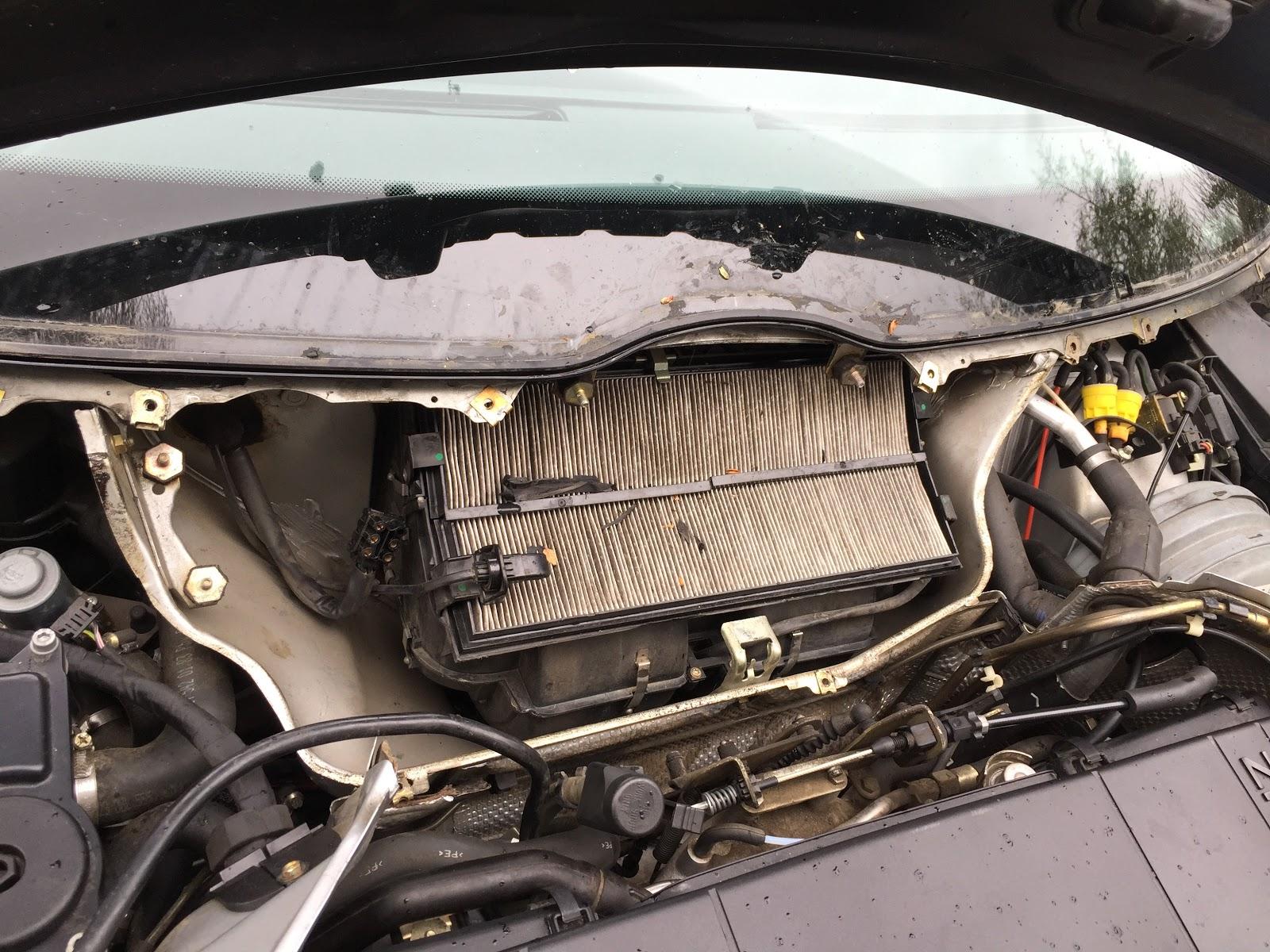
Admire how nasty your cabin air filters are, and reprimand yourself for not having an extra set on hand!

Step 8:
Remove the sensor on top of the cabin air filters by gently pushing it towards the passenger side of the vehicle out of its clip and enclosure. Remove the dirty filters by rotating the forward most clip on the drivers side of the box outboard. The filters should slide right out.

(Gasp… this photo shows the sensor still installed!! I really need to get on my script supervisor about that)
Step 9:
It’s time to remove the airbox manifold cover. This is attached with spring clips all around the side of the box (2 per side for a total of 8):
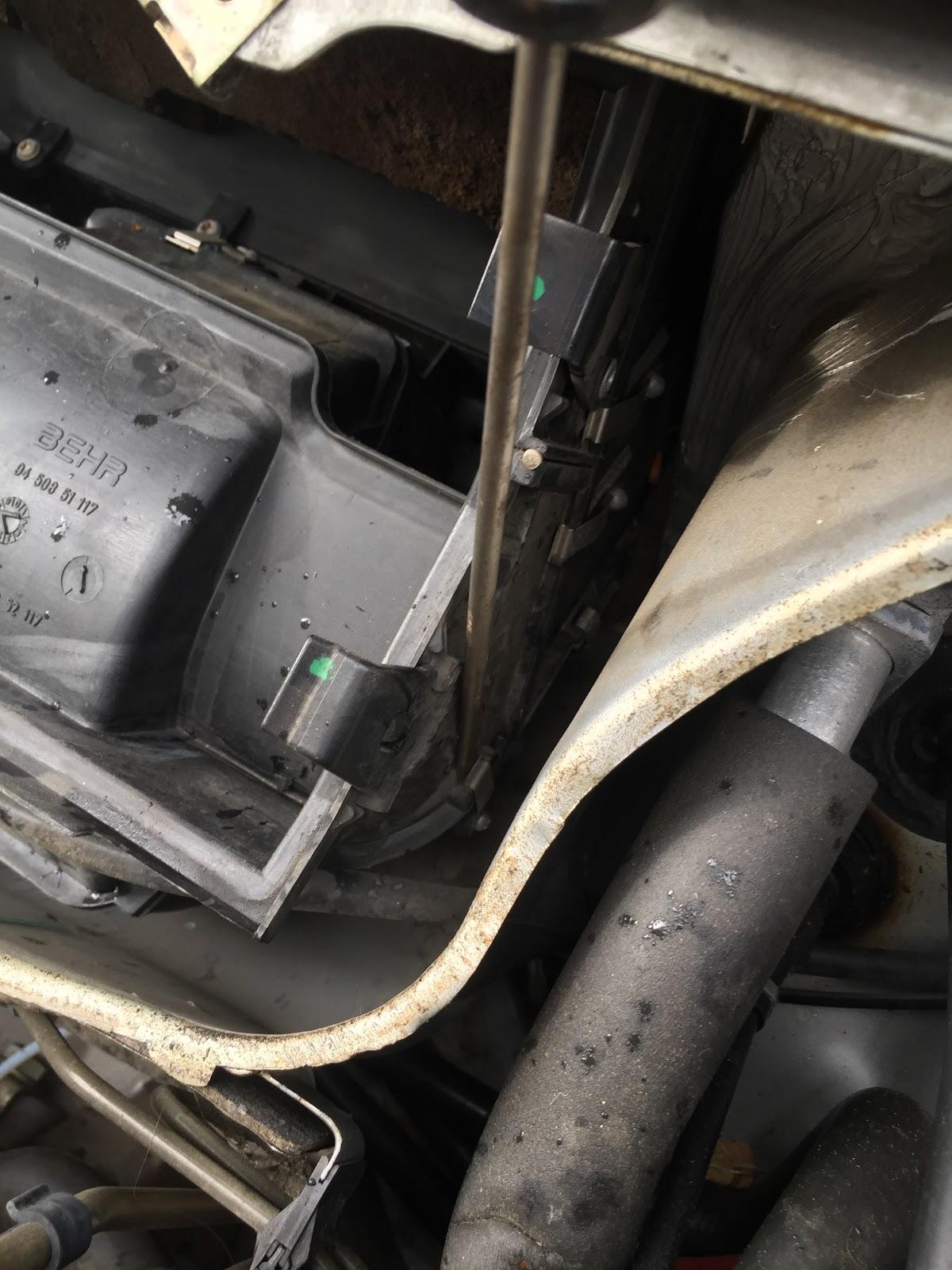
 Gentle prying with a flatblade screwdriver makes quick work of them.
There she is!
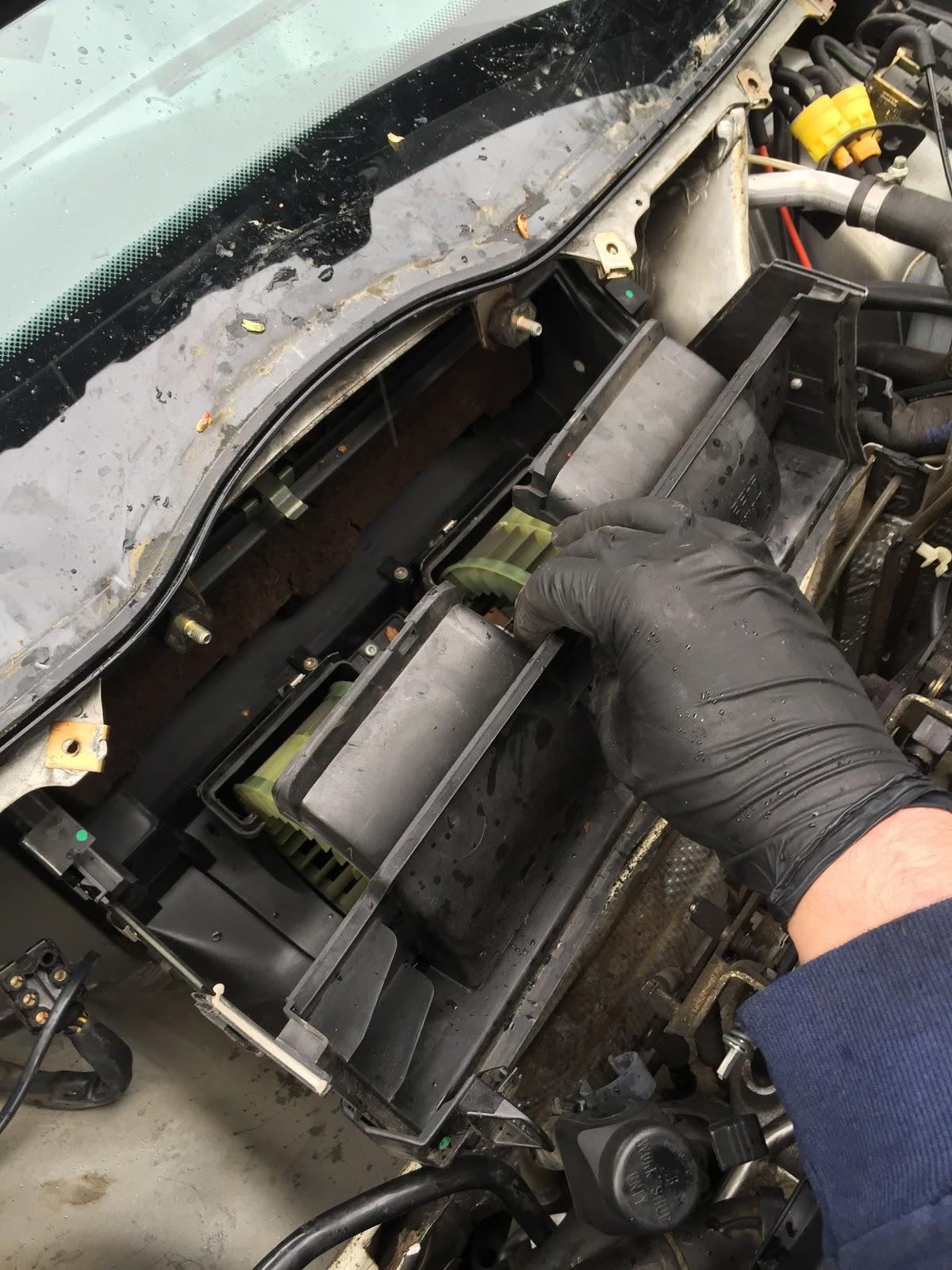
Step 10:
Blower motor removal. Get a small pick or screwdriver, and insert its end into the small hole in the retaining clip that holds the motor in place. Pry up!

Un-hook the two electrical connections and lift the motor out.
Step 11:
Uncovering the regulator. We’re close! Only four measley screws between us and the regulator at this point. We have to remove the bracket that holds in the blower motor:

Now remove the small black plastic cap… and violia!

You should be able to take things from here. Give all that gross stuff a good wipedown before you put it back together, and get yourself a beer!
Just a few additional notes about re-installation.

Hopefully the photos still help show users what they are in for if they attempt to complete this job.For starters, I’ll throw in the FSM procedures that I utilized as a guide:
83-600: Description of function of the automatic climate control
83-040: Grill and air inlet removal and installation
82-680: Removing and installation of wiper motor
83-556: Removal and installation of blower motor
I’d highly recommend reading the 83-600 ‘description of function’ document. Lots of great goodies in there!
On with the show.
Step 1:
Begin by pulling the car into a safe location (preferably out of traffic), and putting the hood into service position.
My car is on ramps in the photo, but this is obviously not required. In fact, it would probably make this job a lot more difficult, so I would recommend against that.
Step 2:
Peel the lower windshield seal out of the windshield channel on both sides of the mono wiper:
Step 3:
Now you can remove the remaining under hood gaskets from the false firewalls:
Step 4:
You now can begin to remove the outboard rain trays from the bottom of the windshield. First remove the two plastic clips from the interior edges of the outboard trays. I have used a prior photo here to show the locations, which are circled in red.
The clips themselves are just little plastic forks, which are removed by simply pulling on the tab towards the front of the car. They should just pull right out:
Now remove the screws from the windshield side of the outboard trays. There are two screws per outboard panel. The innermost screws are accessible from under the hood, while the outboard screws are best accessed from the windshield side. Again re-using my previous image:
The outboard rain trays should just lift out at this point. Take a minute to check the drain passageways for blockage!
Step 5:
Now we can remove the front (or rear depending on your perspective) portion of the fals firewall that sits in front of the airbox.
You might think you can just pop this panel out now, but you can’t. There's a sneaky plastic nut off to the far drivers side of the panel, hiding behind various tubing and vacuum lines. 10mm socket to remove.
With this nut removed, you can lift this panel out, remove the ETA loom that snakes through the panel, and remove the panel. With this panel removed, we have full access to the airbox lid.
Step 6:
There are 6 phillips head screws left to remove on the airbox lid. I’ll attempt to illustrate below:
Once all 6 screws are removed, you should be able to lift the airbox lid out. There is a bit of a trick to this, as the lid is a bit jammed in there under the monowiper and linkage and behind the edges of the false firewall. I found that the best tactic is to shift the lid as far forward as possible, and then rotate the back end up. This should give you enough room to maneuver its out of the way of the monowiper without getting jammed into the false firewall.
Tah-dah! Check out those awesome facelift dust filters!!
Step 7:
Let’s start removing the wiper arm mechanism. Lift up on the small cover at the end of the arm. It has clips on the side you can just pry out to pop it up.
This is where i diverge from the FSM a bit. The FSM instructs you to remove the arm. I couldn’t figure out how to do this, so I left the wiper arm on the mono wiper mechanism. Turns out I had missed a step. For the late model mono wiper with the plastic covers, you first need to turn the wiper on and stop it at its ‘max deflection’ point. Then you should supposedly be able to remove the arm with this bolt removed.
I was able to wrangle the whole thing out with the arm still attached, but it definitely would have been easier to manage without it!
There are four nuts that hold the mechanism in. Re-using my old photo, you will see that two are hiding under the window gasket and sill again!
Admire how nasty your cabin air filters are, and reprimand yourself for not having an extra set on hand!
Step 8:
Remove the sensor on top of the cabin air filters by gently pushing it towards the passenger side of the vehicle out of its clip and enclosure. Remove the dirty filters by rotating the forward most clip on the drivers side of the box outboard. The filters should slide right out.
(Gasp… this photo shows the sensor still installed!! I really need to get on my script supervisor about that)
Step 9:
It’s time to remove the airbox manifold cover. This is attached with spring clips all around the side of the box (2 per side for a total of 8):
There she is!
Step 10:
Blower motor removal. Get a small pick or screwdriver, and insert its end into the small hole in the retaining clip that holds the motor in place. Pry up!
Step 11:
Uncovering the regulator. We’re close! Only four measley screws between us and the regulator at this point. We have to remove the bracket that holds in the blower motor:
Now remove the small black plastic cap… and violia!
You should be able to take things from here. Give all that gross stuff a good wipedown before you put it back together, and get yourself a beer!
Just a few additional notes about re-installation.
- All of the parts go back together in a satisfying way. If it doesn’t feel right when you are re-assembling, there is probably something wrong.
- Clean out those fender drain tubes. I can’t believe I didn’t have more water sitting inside my fender wells!
- Make sure you get the outboard drain channels positioned such that they are draining INTO the fender drain tubes. If not, you’ll have some soggy false firewall components

- Make sure you properly tuck the windshield gasket in. Again, it all goes together in a very straightforward way. Tuck the upper underside lip into the channel on the windshield and the lower underside lip into the installed rain trays.
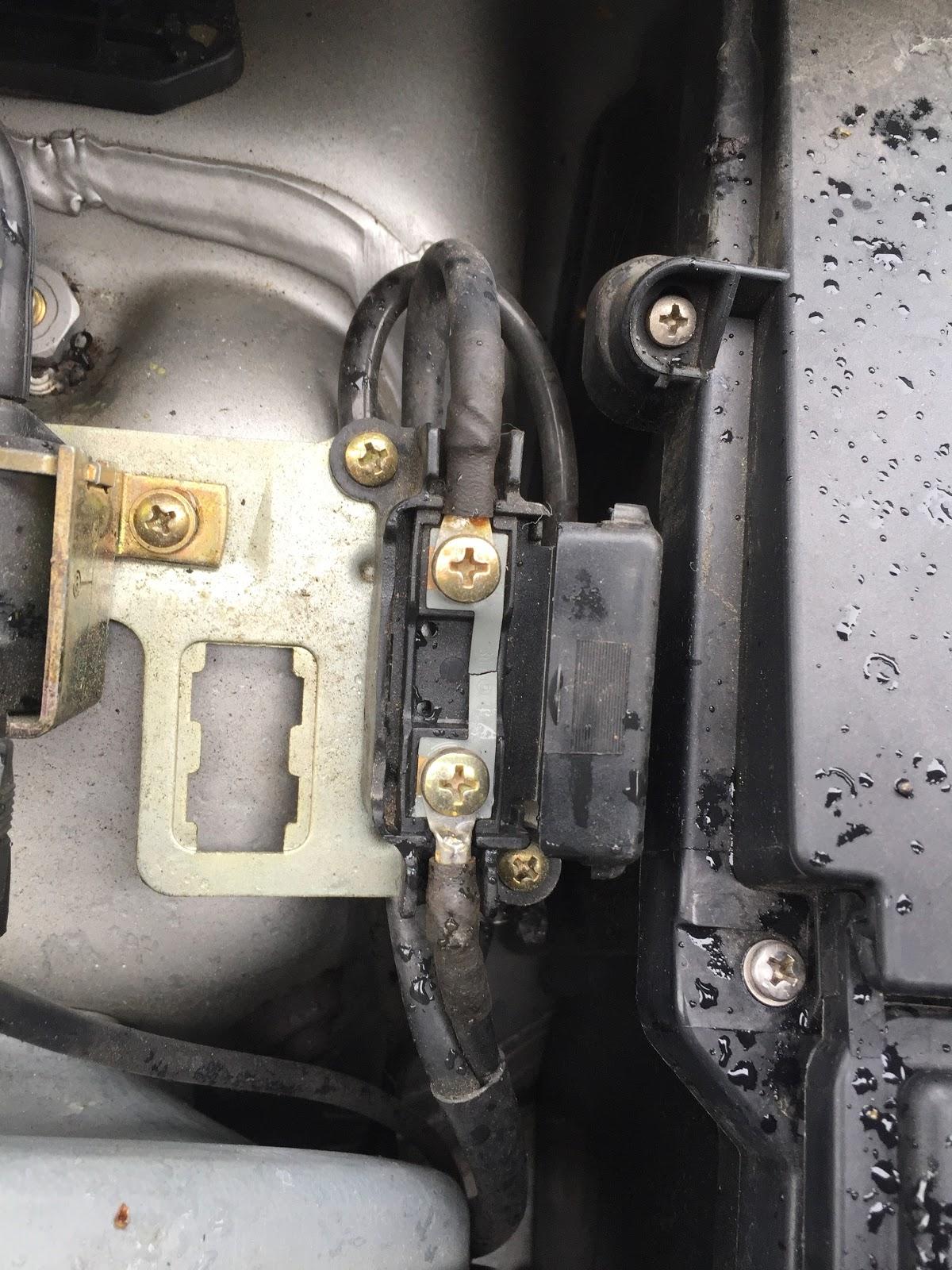
- And on a personal note, if you are ever faced with a failing blower motor in the future. Made sure you check, double-check, and then triple check the integrity of the 30A Strip fuse in line with the blower motor. I tested mine successfully, only to realize it was microcracked AFTER I had done the disassembly and testing discussed above. The fuse LOOKED fine, until I attempted to Multimeter it along its length following some inconsistent test results. This is what happened when I probed it:
Last edited by a moderator: